
Imagine the roar of the crowd, the sweat glistening under the bright lights, and two warriors circling, each looking for an opening. Suddenly, one lunges for a takedown, but in a flash of perfectly timed agility, the other explodes backward, legs wide, chest driving forward – a textbook sprawl. The attempted takedown crumbles, the aggressor is left vulnerable, and the momentum of the entire fight shifts in that single, explosive movement. This is the power of the sprawl in mixed martial arts.
In the world of UFC and MMA, where the fight can go from stand-up striking to ground-and-pound in an instant, mastering takedown defense is not just an advantage, it’s a necessity. And at the heart of effective takedown defense lies the sprawl. For fighters stepping into the octagon, the sprawl is more than just a technique; it’s a fundamental skill needed to dictate where the fight takes place and avoid being controlled on the ground. Without a solid sprawl in their arsenal, fighters become easy targets. Thus, the sprawl is critical for any fighter who wants to keep the fight standing.
Understanding the Sprawl (The Foundation)
In mixed martial arts (MMA), the sprawl isn’t just another defensive maneuver; it’s a fundamental technique with a strategic purpose. The sprawl is a rapid, explosive movement used to prevent an opponent from completing a takedown. It’s executed by quickly extending the legs backward while simultaneously driving the hips down and back, creating distance and disrupting the opponent’s attempt to secure a grip around the waist or legs.
The primary purpose of the sprawl is to deny the takedown and maintain a fight’s stand-up position. By effectively sprawling, a fighter can frustrate their opponent’s grappling attempts, forcing them to abandon their takedown strategy and potentially opening them up for strikes. A successful sprawl can lead to a scramble where the defending fighter can capitalize and take the dominant position.
More than just a reaction, the sprawl is the foundation for launching into a stand-up game. A solid sprawl turns a potential threat into an opportunity to control the fight’s pace and trajectory, dictating where and how the bout unfolds. Developing a strong sprawl is essential for any MMA fighter who wants to dictate a fight on their feet.
Recognizing and Reacting to Takedown Attempts (Anticipation and Timing)
A crucial aspect of grappling defense rests on the ability to foresee and counter takedown attempts. This skill isn’t about magic; it’s about meticulous observation, pattern recognition, and a refined sense of timing. By studying your opponent’s stance, movement patterns, and habits, you can unlock the secrets to predicting their takedown initiatives. It’s like learning to read their mind, one shuffle and stance change at a time.
One key element in anticipating takedowns lies in reading subtle clues. Watch for common “tells” – signals that betray an impending attack. These might include a noticeable lowering of their stance as they prepare to shoot or initiate a double leg. Be aware of any foot shuffling or weight shifting that suggests they’re closing the distance for a takedown. Perhaps most importantly, pay attention to any obvious telegraphing of movements. Do they habitually glance at your legs before shooting? Do they subtly angle their body in a predictable way before lunging? These are all pieces of the puzzle.
Developing this ‘fight IQ’ – the ability to quickly process information and make informed decisions – is vital. The faster you recognize these signs, the quicker you can react. The goal is to develop a pre-emptive sprawl. This means initiating your defensive maneuver before your opponent fully commits to their takedown. By anticipating their attack, you can disrupt their momentum, maintain your balance, and even turn the tables by countering with your own offense. It transforms you from a reactive defender into a proactive strategist.
The Mechanics of a Perfect Sprawl (Technique Deep Dive)
The ideal sprawl combines speed, power, and precise execution. When faced with a takedown attempt, a well-executed sprawl can be your best defense in mixed martial arts (MMA). It’s not just about brute strength; it’s a symphony of coordinated movements, each building upon the last. Let’s break down the movement, from the stance to the final position.
Optimal Stance and Hip Movement: How to get in the Right Sprawling Position
The journey of a perfect sprawl begins long before your opponent shoots for your legs. It starts with your stance. A balanced stance with a lower center of gravity is important, providing the optimal base for explosive sprawling. Your feet should be shoulder-width apart, with one foot slightly ahead of the other. This staggered stance allows for greater mobility and quicker reaction times. Keeping your weight centered allows for movement in any direction, and the slight bend in your knees prepares your muscles for rapid hip extension. As your opponent initiates their takedown, the key is a rapid and powerful backward thrust of your hips. This movement creates distance, making it harder for your opponent to secure a solid grip. Simultaneously, you’re lowering your center of gravity further, increasing your stability and making you a more difficult target to move.
Hand Placement and Head Position: Pressure and Balance
As you throw your hips back, your hands play a crucial role in both creating pressure and maintaining balance. Instead of reaching wildly, focus on placing your hands on your opponent’s shoulders or head. This hand placement serves two primary purposes: first, it allows you to apply downward pressure, disrupting their balance and making it harder for them to complete the takedown. Second, it provides you with tactile feedback, allowing you to anticipate their movements and adjust your sprawl accordingly. Keeping your head up and in line with your spine is equally important. This prevents you from getting your head caught in a compromising position and allows you to maintain a clear line of sight. Avoid tucking your chin excessively, as this can limit your vision and make you vulnerable to further attacks. A strong, stable base, combined with strategic hand placement and a clear head, will make your sprawl a formidable defense against any takedown attempt.
Common Mistakes in Sprawling (And How to Fix Them)
The sprawl, a fundamental defensive maneuver in wrestling, mixed martial arts, and grappling, is often the first line of defense against takedown attempts. However, even seasoned athletes can fall victim to common mistakes that render their sprawl ineffective. These errors can lead to being taken down, losing positional advantage, or even opening up submission opportunities for the opponent.
One frequent sprawl mistake is a delayed reaction. Hesitation allows the attacker to penetrate deeper, making the sprawl less effective. The solution lies in developing quicker reflexes through consistent training. Partner drills, where one person shoots and the other sprawls, are invaluable for sharpening reaction time. Shadow sprawling, practicing the motion without a partner, can also improve muscle memory and responsiveness.
Another pitfall is failing to apply adequate downward pressure. A weak sprawl allows the attacker to continue driving forward, potentially completing the takedown. Correcting this requires focusing on driving the hips down and back while simultaneously pushing into the attacker with the hands. Visualize driving the opponent’s head into the mat with your chest. Weight distribution is crucial; maintain a low center of gravity and a wide base to maximize stability and pressure.
Balance issues are also a common culprit. Overextending or leaning too far forward can compromise balance, making it easy for the attacker to sweep the legs or manipulate the sprawl. Maintaining a strong, stable base is essential. Keep the head up, the back straight, and distribute weight evenly across the feet. Live sparring, where the sprawl is tested under pressure, is a critical training tool. This allows the athlete to refine their technique and identify any balance flaws in a dynamic environment. Through focused training and attention to these common pitfalls, the sprawl can become a reliable and effective defensive weapon.
Moving Beyond Defense: Transitions and Offense from the Sprawl
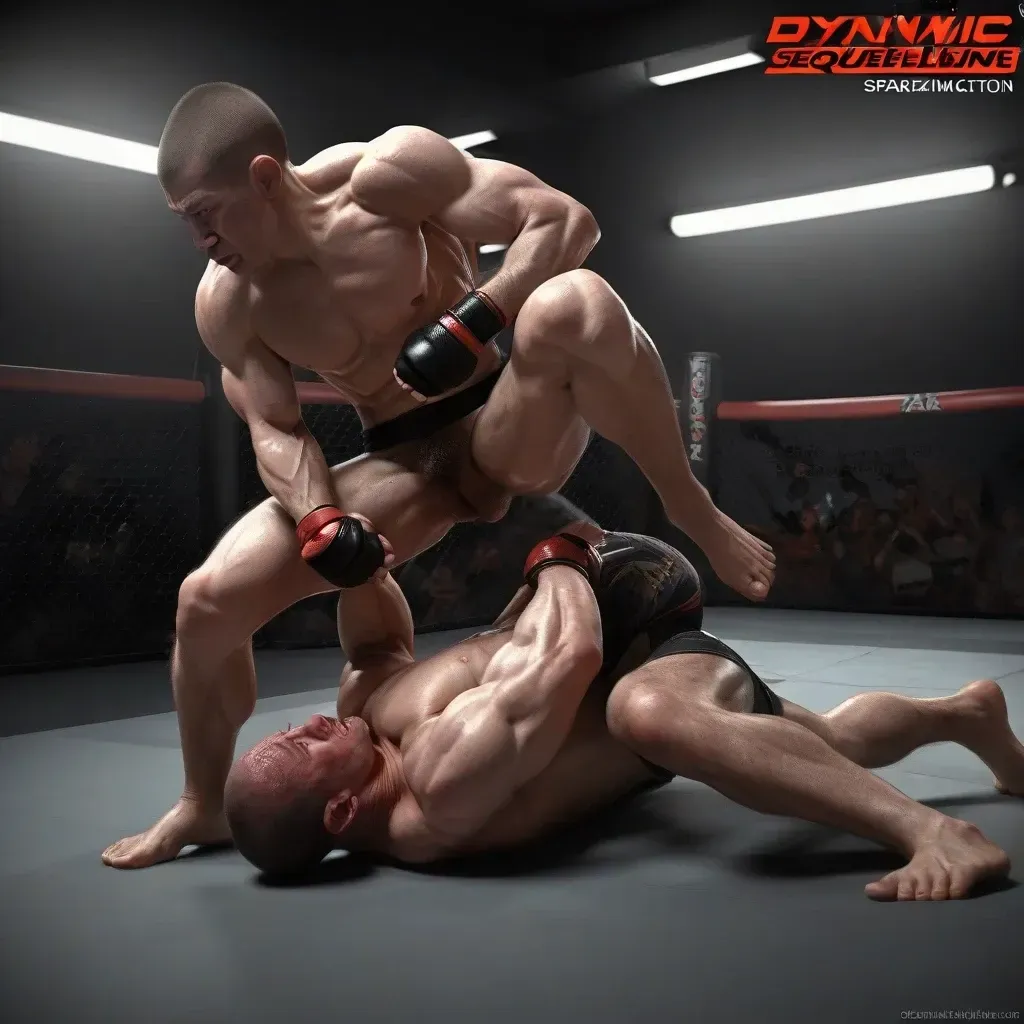
The sprawl is more than just a defensive maneuver; it’s a springboard for offensive opportunities. After successfully executing a sprawl, a skilled fighter can transition into dominant positions for launching attacks. Many fighters have used the sprawl to set up devastating submissions and strikes.
Transitioning from the sprawl requires anticipation and quick reactions. Recognizing the opponent’s vulnerability after a failed takedown is crucial. This is the moment to capitalize, turning a defensive position into an offensive onslaught. One common transition involves taking the opponent’s back as they attempt to recover, opening possibilities for back control and submission attempts.
Another effective offensive transition is setting up striking setups. As the opponent’s head is down and close after a failed takedown, fighters use uppercuts, knees, or even front headlocks to control and inflict damage. These strikes can quickly change the momentum of a fight, punishing the opponent for their failed attempt.
Ultimately, a successful sprawl should not only negate a takedown but also create opportunities to gain a dominant position and launch attacks. By mastering these transitions, fighters can transform their defensive skills into a powerful offensive weapon.
Chokes and Submissions: Capitalizing on the Sprawl
After a sprawl, the opponent’s head and neck are often exposed, making them vulnerable to chokeholds. One popular option is the guillotine choke. As the opponent shoots for a takedown, the defender can lock in a tight guillotine, using the sprawl’s momentum to tighten the grip and force a submission. Also, consider the Anaconda or D’Arce chokes.
To apply these chokes effectively, maintain a tight grip and use your body weight to maximize pressure. Proper technique and body positioning are crucial for finishing the submission. With practice, fighters can develop a deadly arsenal of chokes, turning the sprawl into a fight-ending maneuver. Visualize the choke as you execute the sprawl, ensuring a seamless transition from defense to submission.
Integrating the Sprawl into Your Game (Comprehensive Defense)
The sprawl is a crucial defensive maneuver in grappling-heavy combat sports, but relying solely on it is a risky proposition. A truly effective takedown defense requires a multifaceted approach, integrating the sprawl with other essential skills like striking, distance control, and clinch work.
Striking as a Deterrent: A well-developed striking game can be a powerful deterrent to takedown attempts. Opponents are less likely to shoot for a takedown if they fear eating a crisp jab or a devastating overhand right. Effective striking creates hesitation and forces opponents to think twice before closing the distance.
Distance Control: The Art of Staying Safe: Distance control is paramount in dictating the range of the fight. By mastering footwork and movement, a fighter can maintain the optimal distance for their striking game while denying the opponent easy access for takedowns. Think of it as an invisible fence, constantly adjusting to keep threats at bay.
Clinch Work: More Than Just Takedowns: The clinch is often viewed as a takedown battleground, but it’s also a valuable defensive tool. Skilled clinch work allows a fighter to control their opponent’s posture, disrupt their takedown attempts, and even create opportunities for strikes or reversals. A strong clinch game keeps the opponent guessing and prevents them from setting up clean shots.
All-Round Defense: Integrating these elements creates a comprehensive defensive framework. By combining the reactive nature of the sprawl with the proactive elements of striking, distance control, and clinch work, a fighter becomes far more difficult to take down. This all-round defense allows you to dictate where the fight takes place, whether it’s on the feet where you can unleash your striking, or in the clinch where you can control and neutralize your opponent.
Conclusion
In summary, mastering the sprawl is crucial for effective takedown defense in MMA. Consistent training, focusing on technique, speed, and incorporating it into live sparring, is the key to developing a reliable sprawl. This will not only protect from takedowns but also create opportunities to control the fight. Always train hard and smart!